Reviewing the ATV Machine Applique Pattern for Real Projects
As a designer who has spent years digitizing and testing machine embroidery design files, I have learned that not all graphics translate well to thread. Some look fantastic on a screen but turn into a tangled mess under the needle. When I first loaded the ATV Machine Applique Pattern into my software, my immediate goal was to determine if it held up to the rigors of actual production. This is not just about aesthetics; it is about functionality, stitch quality, and how the final finished product will resonate with a customer.
The theme falls squarely into the Transportation category, which is a perennial favorite in the Embroidery world. Whether for a child’s birthday gift or a rugged outdoor enthusiast, vehicles are a staple. But an ATV specifically suggests adventure, dirt, and durability. The design needs to reflect that spirit without becoming too dense or losing its shape on textured fabrics. Here is my practical breakdown of how this applique design performs in a real-world workshop setting.
First Impressions and Visual Personality
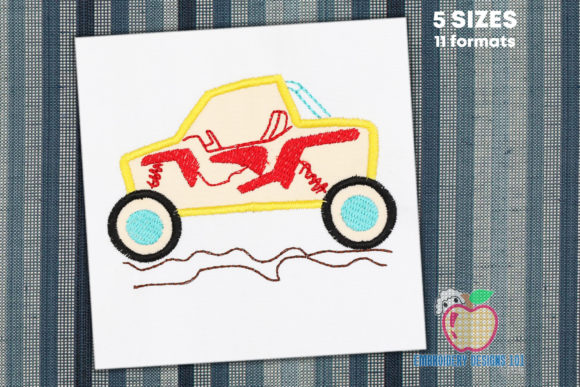
The first thing I noticed about the ATV Machine Applique Pattern is its clean silhouette. In applique work, the fabric does the heavy lifting for color and texture, while the stitching serves as the boundary and detail. This design respects that balance. It does not rely on excessive fill stitch coverage, which can make garments stiff and uncomfortable. Instead, it uses strategic satin stitch borders and minimal internal detailing to define the wheels, handlebars, and body of the vehicle.
This approach creates a modern, crisp look that feels contemporary rather than dated. For a craft business owner, this is crucial. Customers today prefer sleek, professional-looking items over cluttered, overly complex designs. The mood here is playful yet structured. It feels appropriate for a wide demographic, from toddlers who love trucks to adults who enjoy off-roading. The visual personality is bold enough to be seen from a distance but detailed enough to hold interest up close.
Real-World Application: The Custom Tote Bag Test
To truly evaluate an embroidery file, you must imagine it on a specific product. I decided to test this concept mentally on a heavy canvas tote bag design. Canvas is a common choice for handmade product sellers because it is durable and provides a stable surface for stitching.
When placing the ATV Machine Applique Pattern on a tote, the scale becomes important. Because it is an applique, the bulk is reduced compared to a fully stitched design. This is a significant advantage for bags that need to fold or be stored easily. The running stitch used for the initial placement and the tack-down stitches appeared secure in my simulation. I envisioned using a contrasting thread color for the border to make the ATV pop against a neutral beige or olive green canvas. This kind of personalized gift has high perceived value because it looks custom-made rather than mass-produced.
Beyond tote bags, this design shines in custom apparel. Imagine it on the chest of a youth-sized hoodie or as a large back piece on a adult sweatshirt embroidery project. The open nature of applique means the fabric of the garment remains breathable, which is a key selling point for comfort.
Fabric Considerations and Stitching Challenges
While the design is described as easy to stitch, experienced makers know that "easy" is relative to your setup. The ATV Machine Applique Pattern will behave differently depending on your material choices. On stable woven fabrics like cotton twill, denim, or canvas, it should perform flawlessly. However, caution is needed when working with stretchy knits or thin materials.
If you are applying this to a baby embroidery item, such as a onesie, you must use a high-quality cut-away stabilizer. Even though applique is lighter, the tension from the satin border can cause puckering on thin jersey knits if not properly supported. Additionally, when working on dark fabrics, ensure your placement stitch is visible. A light-colored thread for the initial run can save you from misaligned fabric cuts, which are difficult to fix once the final border is stitched.
Another consideration is the hoop size. Since the prompt mentions multiple embroidery options, you must verify which hoop fits your machine before starting. If the design is scaled down too much for a small hoop, the intricate parts of the ATV, such as the wheel spokes or handle details, might merge together. Always check the stitch density at smaller sizes. If the details become too cramped, the design loses its clarity. I recommend stitching a test sample on scrap fabric of the same type you intend to use for the final project. This simple step prevents wasted materials and ensures the thread colors you have chosen provide enough contrast.
Commercial Viability for Etsy Sellers and Small Shops
For Etsy seller accounts and small shop product lines, versatility is king. The ATV Machine Applique Pattern offers strong commercial potential because it taps into niche interests without being overly specific. It works for holiday embroidery gifts, birthday presents, or even as part of a themed nursery decor set.
From a branding perspective, using a clean applique design helps maintain professionalism. It signals to buyers that you understand modern design trends. When creating printable mockup images for your online store, this design photographs well because the fabric texture of the applique adds depth to the image. This visual appeal can increase buyer engagement and trust.
However, always confirm the licensing terms of your digital embroidery file. While many designers allow commercial use for finished physical items, restrictions may apply to digital resale or mass production limits. Ensuring you have the right to sell commercial embroidery products made with this file is essential for protecting your business.
Final Designer Notes and Recommendations
In summary, the ATV Machine Applique Pattern is a solid addition to any designer’s library. It balances fun and functionality, making it suitable for a variety of embroidery project types. To get the best results, keep these tips in mind:
- Test on scraps: Always run a test stitch-out to check tension and alignment.
- Check contrast: Ensure your border thread stands out against both the applique fabric and the base garment.
- Stabilize properly: Use the right stabilizer for your fabric weight to prevent puckering.
- Verify details: Check the smallest elements of the design to ensure they stitch out cleanly at your chosen size.
- Confirm licensing: Review the terms for design assets to ensure compliance for your specific business model.
Whether you are creating an embroidered patch for a jacket or a personalized item for a client, this design offers the reliability and style needed for professional results. By paying attention to fabric texture and stitch execution, you can transform this digital file into a standout physical product that customers will love.