Reviewing Beautiful Lilies Blooming Redwork for Real Projects
As a designer who spends more time staring at stitch maps than actual fabric, I have learned that the difference between a good machine embroidery design and a great one often lies in its versatility. When I first loaded Beautiful Lilies Blooming Redwork into my software, I was not just looking for pretty petals. I was looking for structural integrity, stitching logic, and commercial viability. This is not just another floral motif; it is a practical asset for anyone running a craft business or creating high-end handmade products.
First Impressions: Simplicity Meets Elegance
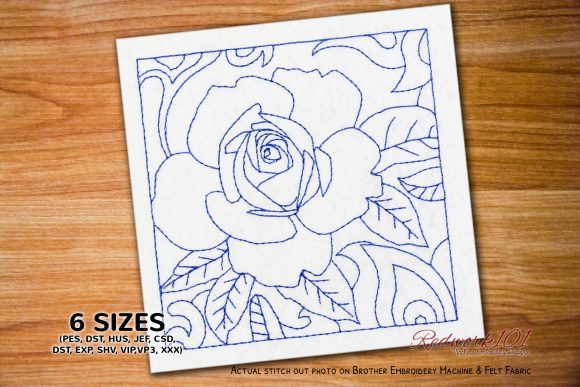
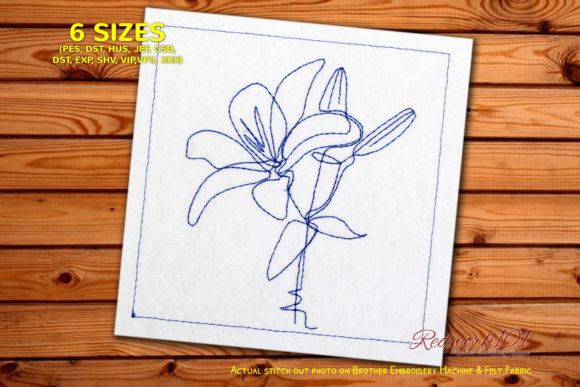
The immediate appeal of Beautiful Lilies Blooming Redwork is its clean aesthetic. In the world of Single Flowers, it is easy to get lost in overly complex shading or excessive fill stitch usage that bloats file size and complicates production. This design takes a different approach. It relies on the classic redwork style—traditionally single-color outline work—which gives it a timeless, vintage feel. However, the modern interpretation here allows for flexibility.
The mood is calm and organic. It does not shout for attention; instead, it invites a closer look. For an Etsy seller or boutique owner, this subtlety is a major selling point. It fits seamlessly into current trends that favor minimalism and natural motifs. Whether you are designing for a spring collection or a year-round staple, the lily’s shape provides a balanced layout that works well on various canvases. The optional Box Stitch mentioned in the description is a thoughtful addition. It gives you the choice between a framed, badge-like appearance or a free-floating floral element, depending on your project needs.
Real-World Application: From Tote Bags to Sweatshirts
To truly evaluate an embroidery file, you must imagine it stitched out. I recently considered this design for a custom order involving canvas tote bags. The client wanted something elegant but durable. Beautiful Lilies Blooming Redwork was an ideal candidate. Because redwork styles typically utilize running stitch or simple satin outlines rather than dense fills, the design remains flexible. On a thick canvas tote bag design, the stitches lay flat without causing the fabric to pucker excessively.
I also visualized this on a heavyweight cotton sweatshirt. Sweatshirt embroidery requires designs that can bridge the gap between the fuzzy texture of the fleece and the smoothness of the thread. The clear lines of the lily hold up well here. Unlike intricate photorealistic designs that can get lost in the nap of the fabric, the bold outlines of this lily remain crisp. It would also make a charming addition to baby embroidery projects, such as bibs or onesies, provided you scale it appropriately and use soft, skin-safe threads.
For those creating personalized gifts, this design offers excellent customization potential. You could pair it with a monogram inside the optional box or place it alongside a simple date for a wedding gift. It transforms a standard kitchen towel into a heirloom-quality item or turns a plain apron into a boutique-worthy piece.
Navigating Fabric and Hoop Constraints
While Beautiful Lilies Blooming Redwork is versatile, it is not without its technical considerations. As an experienced reviewer, I must point out where caution is needed. If you are working with stretchy fabrics like jersey knits for custom apparel, proper stabilization is non-negotiable. Even though the design is not overly dense, any distortion in the fabric will warp the delicate curves of the lily petals.
When using smaller hoop sizes, pay close attention to the scale. If you shrink the design too much, the finer details of the stamen and petal tips may merge, losing their definition. Always test on scrap fabric first. I recommend stitching a sample on both light and dark fabrics to check contrast. Since the description notes that the outer box color can be skipped or changed, you have control over visibility. On dark fabrics, ensure your thread colors provide enough pop. A white or cream thread on navy linen looks stunning, while a classic red on white cotton maintains the traditional redwork charm.
Curved surfaces, such as caps or hats, present another challenge. The lily’s organic shape can work well on a cap front, but you must ensure the design is centered correctly to avoid distortion during the hooping process. Using a cut-away stabilizer is advisable for garments that will undergo frequent washing, ensuring the finished product retains its shape over time.
Commercial Value and Brand Consistency
For small shop products and digital embroidery file sellers, the commercial appeal of this design lies in its professionalism. It does not look like a clip-art conversion; it looks like intentional design assets. When customers see clean stitch paths and thoughtful composition, their trust in your brand increases. This design supports brand consistency because it is adaptable. You can use it across a range of products—from embroidered patch creations to holiday embroidery themed items—without it feeling out of place.
Moreover, the simplicity of the design makes it cost-effective for production. Lower stitch counts generally mean faster machine run times, which translates to better margins for commercial embroidery jobs. It is also easier to hoop and align, reducing the likelihood of costly errors during bulk production runs.
Practical Designer Notes for Best Results
Before you commit to selling or gifting items made with Beautiful Lilies Blooming Redwork, consider these practical steps:
- Test Stitch Density: Even with open designs, check how the threads interact on your specific fabric. Adjust tension if necessary to prevent looping.
- Check Licensing: Always confirm the license terms before selling finished items. Ensure you are compliant with the designer’s requirements for craft business use.
- Mockup Verification: Create printable mockup previews in both black and white to ensure the design’s silhouette is strong enough to stand alone without color reliance.
- Fabric Texture Match: Pair this design with fabrics that complement its elegance. Linen, cotton, and canvas are ideal. Avoid highly textured fabrics that might obscure the fine lines unless you increase the stitch width slightly.
- Color Contrast: Since the outer box is optional and can be a different color, use this to your advantage. Coordinate the box color with other elements in your product line for a cohesive look.
In conclusion, Beautiful Lilies Blooming Redwork is a solid addition to any designer’s library. It bridges the gap between traditional aesthetics and modern production needs. Whether you are an appliqué design enthusiast or prefer simple satin stitch outlines, this file offers the reliability and beauty required for successful embroidery project outcomes. It is a reminder that sometimes, less is indeed more, especially when the "less" is executed with precision and care.