Reviewing Cute Cat Applique for Real Embroidery Projects
As a designer who spends more time staring at stitch simulations than actual fabric, I have learned to be skeptical of "cute" claims. In the world of machine embroidery design, cuteness is easy to promise but hard to execute without looking cluttered or amateurish. When I first loaded the Cute Cat Applique onto my screen, I was looking for more than just an adorable silhouette. I was checking for clean lines, logical stitch paths, and versatility. This is not just a digital file; it is a component of a finished product that will eventually sit on a customer’s shelf or hang in their nursery. Here is my practical assessment of how this design performs in real-world scenarios.
First Impressions: Mood and Visual Personality
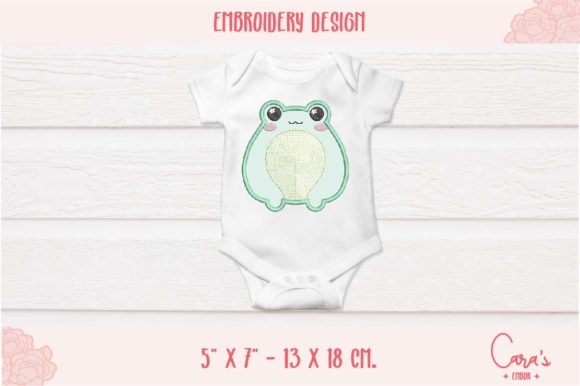
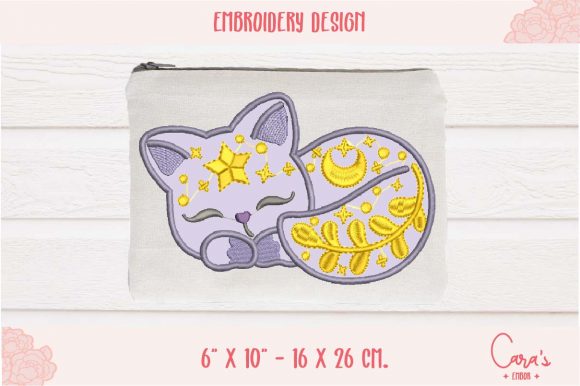
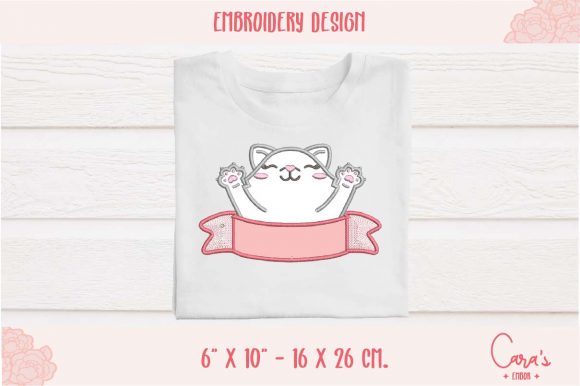
The immediate vibe of Cute Cat Applique is soft and approachable. It fits squarely into the Baby Animals category, but its simplicity allows it to transcend age groups. The layout relies heavily on the interplay between fabric textures and thread work, which is the hallmark of a well-constructed applique design. Instead of relying solely on dense fill stitch areas that can turn stiff and cardboard-like, this design uses fabric layers to create volume and interest. This is a crucial distinction for anyone aiming for a high-end handmade aesthetic.
The visual personality is playful yet refined. It does not scream for attention with excessive detail; instead, it invites a closer look. For embroidery designers and Etsy sellers, this balance is vital. A design that is too busy can overwhelm a small item like a baby onesie, while a design that is too simple might feel underwhelming on a large tote bag. This cat strikes a middle ground, offering enough character to be recognizable and charming without requiring an hour of trimming loose threads.
Real-World Application: From Mockup to Merchandise
To truly evaluate an embroidery file, you must imagine it stitched out. I visualized this design on a canvas tote bag, a popular item for small shop products. The applique technique works beautifully here because the fabric of the cat contrasts nicely against the coarse weave of the canvas. The satin stitch borders define the shape clearly, preventing the edges from fraying after repeated washes. This makes it an excellent choice for durable goods that need to maintain their professional appearance over time.
I also considered its use in custom apparel, specifically a children’s sweatshirt. Sweatshirts present a challenge due to the looped texture of the fleece. However, because Cute Cat Applique relies on a solid fabric base for the body of the cat, the underlying texture of the garment matters less. The result is a crisp, clean image that pops against the soft background. For baby embroidery projects, such as bibs or burp cloths, the lack of excessive internal stitching means the item remains soft against sensitive skin. This is a significant selling point for parents who prioritize comfort alongside aesthetics.
For holiday embroidery or seasonal gifts, this design is highly adaptable. By simply changing the fabric color of the applique piece, you can transform the cat for different themes. A black fabric cat becomes a Halloween staple; a white or pastel fabric cat fits perfectly into spring or Easter collections. This versatility increases the value of the digital embroidery file for craft business owners who need to maximize their asset library without purchasing dozens of similar designs.
Technical Considerations and Fabric Choices
While the design is forgiving, it is not immune to poor execution. The success of any applique depends heavily on your choice of stabilizer and thread colors. I recommend using a cut-away stabilizer for garments that will be washed frequently, such as t-shirts and baby clothes. This ensures the design does not pucker or distort over time. For home decor items like pillow covers or tea towels, a tear-away stabilizer may suffice, but always test on scrap fabric first.
Fabric texture plays a major role in the final look. If you are using a textured fabric for the applique piece itself, ensure it is not so thick that it creates bulk under the satin stitch border. Thin, tightly woven cottons or quilting fabrics work best. Avoid stretchy knits for the applique piece unless you use a heavy-duty stabilizer, as they can shift during stitching and ruin the alignment. Additionally, pay attention to hoop size. While this design is likely compact, ensuring it is centered correctly within the hoop is essential for professional results, especially when producing multiple units for a finished product run.
One area where caution is needed is with dark fabrics. If you are stitching the outline on a black sweatshirt, ensure your thread color has enough contrast. A dark gray thread on black fabric might disappear, leaving the applique looking unfinished. Always test your thread colors against your specific garment color before committing to a full production batch.
Commercial Value and Brand Consistency
For commercial embroidery and digital product sellers, consistency is key. Cute Cat Applique offers a level of polish that builds customer trust. When a buyer sees clean satin stitches and precise alignment, they perceive higher value. This perception allows you to price your handmade product competitively. It is not just about the cost of materials; it is about the perceived quality of the craftsmanship.
This design also serves well as a printable mockup asset. Because the shapes are distinct and recognizable, they photograph well for online listings. Clear, high-quality images drive engagement on platforms like Etsy. When potential customers can clearly see the texture of the fabric and the neatness of the stitches, they are more likely to convert. This design supports that visual clarity, making it a strong addition to any design assets portfolio.
Practical Designer Notes for Best Results
Before you launch this design into your next embroidery project, keep these practical tips in mind:
- Test on Scrap Fabric: Never skip this step. Check how your specific machine handles the jump stitches and trim commands associated with applique.
- Check Stitch Density: Ensure the satin stitch border is dense enough to cover the raw edge of the fabric but not so dense that it causes puckering.
- Contrast is Key: Choose thread colors that stand out against both the applique fabric and the base garment.
- Verify Licensing: Since this is a digital embroidery file, confirm the license terms. Most designers allow you to sell finished physical items, but you typically cannot resell the digital file itself. Always read the specific terms provided with the download.
- Inspect Small Details: Zoom in on your software to check for any overlapping stitches or unnecessary jumps that might need editing before stitching.
In conclusion, Cute Cat Applique is a solid, reliable choice for designers and makers. It balances charm with technical practicality, making it suitable for a wide range of applications from tote bag design to sweatshirt embroidery. By paying attention to fabric choices and stabilization, you can produce a personalized gift or commercial item that looks professional and feels high-quality. It is a design that respects the craft, offering a straightforward path to a beautiful finished product.