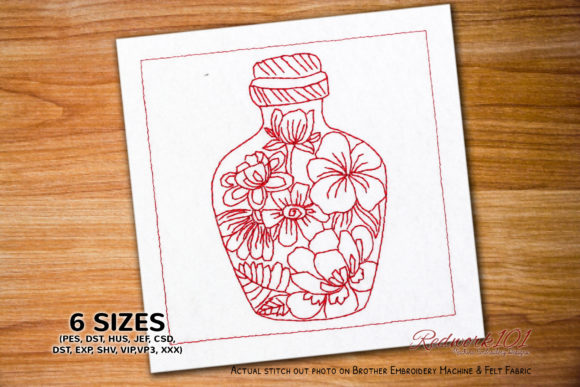
Review: Abstract Bottle Design Redwork for Craft Fairs
As an embroidery designer who has spent countless weekends behind a booth table, I know that not every digital file translates into a bestseller. The gap between a cute digital embroidery file on your computer screen and a tangible craft fair product in a customer’s hand is where the real business happens. Today, I am reviewing the Abstract Bottle Design Redwork, evaluating its potential for kitchen-themed handmade goods and determining if it deserves a spot in your next production batch.
First Impressions and Aesthetic Appeal
The first thing that strikes me about the Abstract Bottle Design Redwork is its versatility through simplicity. Redwork, by definition, relies on a single thread color—traditionally red—against a neutral background. This specific design leans into a modern, minimalist aesthetic rather than a strictly traditional farmhouse look. The "abstract" nature of the bottle shape suggests a contemporary vibe, making it suitable for modern kitchens while still retaining that nostalgic, handcrafted charm.
Because the design is outlined and likely lacks heavy fill stitches, it feels light and airy. This is crucial for Kitchen textiles, which often need to feel functional rather than stiff. The visual weight is balanced, meaning it won’t overwhelm a small tea towel, yet it has enough presence to serve as a focal point on a tote bag. For an Etsy seller or boutique maker, this aesthetic bridges the gap between rustic and modern, appealing to a broad demographic of buyers looking for understated elegance.
Product Applications for Maximum Sales
When planning my booth display, I always ask: "Where does this design shine?" For the Abstract Bottle Design Redwork, the answer lies in high-visibility, flat-surface items. Here is how I would deploy this design across various handmade product categories:
- Tea Towel Embroidery: This is the natural home for redwork. The contrast of red thread on white or cream linen creates an instant classic look. It sells well as a standalone item or as part of a set.
- Tote Bag Design: A canvas market bag with this abstract bottle centered on the front is a strong seller. It appeals to eco-conscious shoppers who want stylish, reusable bags for farmers' markets.
- Apron Embroidery: Placing the design on the bib of a half-apron or full apron adds a professional touch. It signals that the item is made for cooking enthusiasts who appreciate detail.
- Embroidered Patch: If the design holds up at a smaller scale, turning it into an iron-on or sew-on patch allows customers to customize their own denim jackets or pencil cases. This is a fantastic low-cost impulse buy for craft fairs.
- Pillow Covers: A neutral linen pillowcase with this design offers a subtle decorative accent for living spaces that flow into the kitchen area.
I would be cautious about using this on curved surfaces like caps unless I have tested the distortion. Abstract lines can look warped if the hoop tension isn't perfect on structured hats. However, for flat goods like pouches and towels, it is a winner.
Production Practicality and Batch Efficiency
From a production standpoint, redwork designs are often a godsend for small shop owners. They typically run faster than dense fill designs because there is less thread coverage. This means you can produce more units in less time, increasing your profit margin per hour. The Abstract Bottle Design Redwork appears to be streamlined, which suggests good efficiency.
However, speed should never compromise quality. One critical note from the product description states: "The Box Stitch shown in the picture is optional. The color of the outer box is a different color in most of the designs unless it is part of the design itself, you can skip the c." This implies flexibility. As a producer, I recommend skipping the optional box stitch for a cleaner, more modern look unless you are specifically aiming for a framed or label-style aesthetic. Removing unnecessary stitches reduces thread breaks and speeds up production, which is vital when preparing inventory for a busy weekend market.
Since this is a commercial embroidery asset, repeatability is key. You need to know that the 50th apron looks as good as the first. Simple line work like this is generally very consistent, provided your machine is well-maintained and your tension is calibrated.
Technical Considerations and Careful Use
While redwork is forgiving, it is not without its pitfalls. Here are the technical factors I evaluate before committing to a large run:
- Fabric Texture: Redwork highlights the fabric underneath. If you use a textured waffle-weave towel, the lines might break up visually. Smooth cotton or linen yields the crispest results.
- Thread Colors: Stick to high-quality rayon or polyester threads. A dull red will look muddy on white fabric. Test different shades of red to see which pops best against your specific fabric stock.
- Stabilizer Choice: Even with low stitch density, stabilization is non-negotiable. Use a cut-away stabilizer for items that will be washed frequently, like tea towels, to prevent puckering over time. For woven fabrics like tote bags, a tear-away might suffice, but I prefer cut-away for durability.
- Hoop Size: Ensure the design fits comfortably within your standard hoop sizes. If the abstract bottle is too tall, it might require re-hooping for larger items, which increases labor time. Check the dimensions in your embroidery software before purchasing.
- Dark Fabric: Redwork traditionally relies on light backgrounds. If you want to offer black tote bags, you will need to change the thread color to white or cream. Always stitch out a test sample on dark fabric to ensure visibility.
It is also important to verify the specific file formats included in the design assets. Ensure you have the correct format for your machine (such as PES, DST, or JEF) to avoid conversion errors that can distort the abstract lines.
Marketing and Visual Strategy
How does this design help you sell? The Abstract Bottle Design Redwork is highly photogenic. Its clean lines and high contrast make it ideal for printable mockup creation and social media content. When photographing for your online listings, stage the embroidered items with complementary props—perhaps a vintage wine bottle, fresh herbs, or artisanal bread—to reinforce the kitchen and hospitality theme.
For booth displays, group these items together to create a cohesive "collection." A stack of embroidered tea towels next to a hanging apron and a few tote bags creates a powerful visual impact. Customers are more likely to buy when they see a coordinated look. The simplicity of the design allows it to act as a brand signature; if you use this style consistently, it becomes recognizable as your unique aesthetic.
Final Verdict for the Experienced Maker
The Abstract Bottle Design Redwork is a strong contender for any small shop product line focused on kitchen and home goods. It balances artistic appeal with production efficiency. It is easy to understand at a glance, which is essential for quick decision-making at craft fairs. The optional box stitch feature gives you creative control to adapt the design to different products without needing multiple files.
Before you launch, remember to check the commercial licensing terms provided with the embroidery file. Confirm whether you can sell finished physical products and if there are any restrictions on quantity. Once cleared, stitch out samples on your intended fabrics. Compare the look on a thick canvas tote versus a thin cotton towel. Adjust your stabilizer and tension accordingly.
In a market saturated with complex, colorful designs, the quiet confidence of redwork stands out. This design offers a premium, handmade feel that resonates with buyers who value craftsmanship. If executed with attention to fabric choice and stitch quality, the Abstract Bottle Design Redwork can become a staple in your finished product inventory, driving both foot traffic at fairs and clicks in your online store.