I m Unicorn: A Vintage Lettering Review for Craft Fairs
As an embroidery designer who has spent countless weekends standing behind booth tables, I have learned that not every digital file translates into a bestseller. The gap between a cute digital embroidery file on your computer and a profitable craft fair product in someone’s hands is bridged by practical judgment. Recently, I loaded up the I m Unicorn design to test its viability for my upcoming market season. This piece falls under the popular Animal Quotes category, but it distinguishes itself with an authentic, vintage aesthetic that feels both nostalgic and fresh. Here is my honest review of how this design performs in the real world of handmade business.
First Impressions: Vintage Charm Meets Modern Whimsy
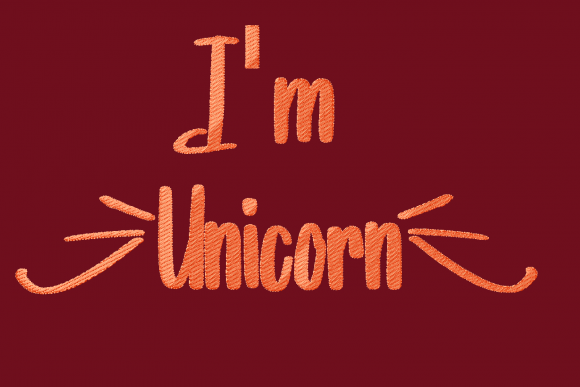
The moment I hooped the sample, the character of I m Unicorn stood out. It does not scream for attention with neon brightness or overly complex shading. Instead, it relies on a classic, lettering-focused approach that exudes a soft, rustic charm. For a small shop product, this is crucial. Customers at craft fairs are often overwhelmed by visual noise. A design that feels grounded and elegant, yet undeniably cute, allows the buyer to pause and appreciate the craftsmanship. The vintage look suggests quality and timelessness, which helps elevate the perceived value of the finished product. It feels less like a temporary trend and more like a staple item for a home or wardrobe.
Product Versatility: Where This Design Shines
The true test of any machine embroidery design is its adaptability. I tested I m Unicorn across several standard items I plan to stock for the holiday markets. Here is how it performed on key products:
- Tote Bag Design: This was the standout winner. Placed centrally on a natural canvas tote, the vintage lettering looked intentional and artistic. It transformed a simple bag into a statement piece. The design is large enough to be read from a distance, which is vital for booth traffic.
- Apron Embroidery: On a linen blend apron, the design added a touch of whimsy to a functional item. It appeals strongly to the "cottagecore" demographic, making it an excellent gift item for home cooks and bakers.
- Tea Towel Embroidery: While charming, I had to be careful with placement. The texture of waffle-weave towels can sometimes distort finer details. I found that using a heavier cut-away stabilizer helped maintain the integrity of the letters.
- Embroidered Patch: Creating iron-on patches is a high-margin strategy for Etsy seller accounts. This design scales down reasonably well, though I recommend avoiding the smallest hoop sizes to prevent the lettering from becoming illegible.
Production Practicality for Batch Selling
For those of us running a commercial embroidery operation, time is money. One of the strongest aspects of I m Unicorn is its repeatability. The design does not appear to have excessive jump stitches or overly dense fill areas that would slow down production or cause fabric puckering. This makes it ideal for batch production. When you are preparing fifty units for a weekend fair, you need a design that hoops quickly and stitches out cleanly without constant thread breaks or trimming.
Furthermore, the design photographs beautifully. In an era where online presence drives foot traffic to physical booths, having a printable mockup or high-quality listing photo is essential. The clean lines and vintage vibe of this embroidery file create high-contrast images that pop on social media feeds. It looks professional in design assets and catalogs, helping to build a cohesive brand identity.
Critical Considerations and Careful Use
While I m Unicorn is a strong contender for your product line, there are technical nuances to consider before you commit to full production. As an experienced designer, I advise paying close attention to the following factors:
- Fabric Texture and Color: The vintage look relies on clarity. On dark fabrics, ensure you are using high-contrast thread colors. If the thread blends too much with the background, the lettering loses its impact. On textured fabrics like thick towels or wool, the finer parts of the lettering may get lost. Always test on scrap fabric first.
- Curved Surfaces: Embroidering on caps requires precision. The curvature of a cap can distort wide designs. I recommend checking the hoop size compatibility carefully. If the design is too wide, it may wrap around the curve awkwardly. Centering is key here.
- Stitch Density: Although the description notes an authentic look, always inspect the stitch density. If the design is too dense for lightweight fabrics like voile or thin cotton, it will pucker. Use a tear-away stabilizer for woven fabrics and a cut-away for knits to ensure the handmade product remains flat and professional.
- Legibility at Small Sizes: If you plan to use this on small pouches or baby items, verify that the lettering remains readable. Tiny details in vintage fonts can merge together if scaled down too far. It is better to keep it as a focal point than to shrink it into an accent.
Boosting Brand Consistency and Buyer Engagement
In a crowded marketplace, consistency builds trust. I m Unicorn fits seamlessly into a brand that values nostalgia, comfort, and playful elegance. When customers see this design on a pillow cover, then again on a market bag, it reinforces your brand’s aesthetic. This visual consistency encourages buyers to purchase multiple items, increasing your average order value.
Moreover, the emotional connection to unicorns—often associated with magic and childhood wonder—combined with a mature, vintage execution, creates a unique niche. It appeals to adults who want whimsy without looking juvenile. This broadens your customer base significantly, allowing you to market to both young adults and older demographics who appreciate quality Embroidery work.
Final Designer Notes for Implementation
Before you list I m Unicorn as a core part of your inventory, take these final steps to ensure success. First, confirm the specific file formats included in the download to match your machine’s requirements. Second, double-check the commercial licensing terms. While many designs allow for finished physical products, some restrict digital resale or large-scale manufacturing. Knowing your rights protects your business.
Create at least one real-world mockup on your intended primary fabric. Compare it against your other bestsellers. Does it hold up? Does it look premium? If the answer is yes, then this design is ready for your booth. By focusing on practical application, understanding fabric texture limitations, and leveraging the vintage appeal, I m Unicorn can become a reliable revenue generator for your creative enterprise. It is not just a design; it is a tool for storytelling through stitch, perfect for the modern maker looking to stand out in the handmade economy.