Shotgun Bluework: A Designer’s Review for Craft Fair Sales
As an embroidery designer who has spent countless hours digitizing and testing patterns, I approach every new machine embroidery design with a critical eye. It is not just about whether the stitches look good on my screen; it is about whether the design will sell in the real world. Recently, I reviewed Shotgun Bluework, a piece that immediately caught my attention for its bold aesthetic and niche appeal. For craft fair sellers, Etsy shop owners, and handmade entrepreneurs, finding a design that stands out in a crowded market is essential. This review breaks down how this specific pattern performs, where it shines, and how you can leverage it to boost your small shop product lineup.
First Impressions: Bold, Rustic, and Unapologetic
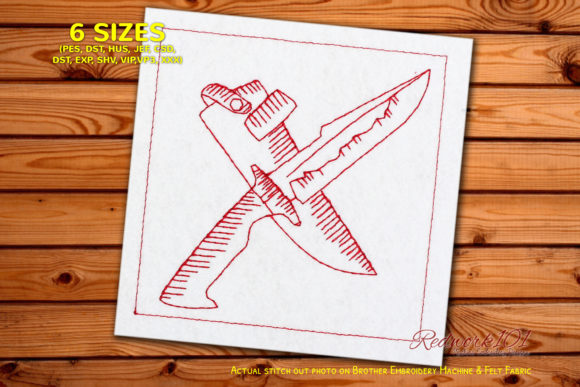
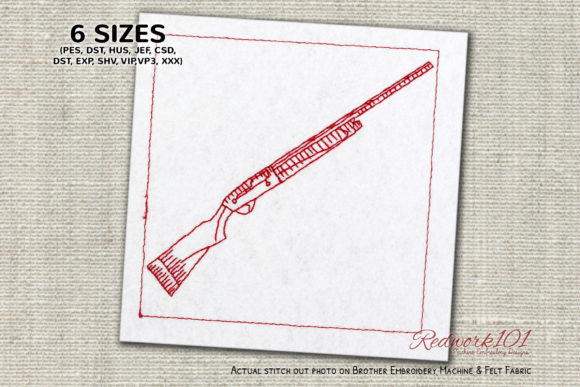
The first thing that strikes me about Shotgun Bluework is its attitude. It does not try to be delicate or overly feminine. Instead, it leans into a rustic, masculine, and slightly humorous vibe. The title suggests a connection to hunting, shooting sports, or outdoor lifestyles, which places it firmly in a category that often gets overlooked in the typical floral-dominated embroidery market. While the product category is listed under Military, the design feels more at home in a "country living" or "outdoor enthusiast" context. It is bold, modern, and carries a sense of fun that can "blow away everyone at the range," as the description aptly puts it.
For a weekend craft fair booth, this kind of personality is gold. Customers walking past rows of generic monograms and flowers are drawn to items that tell a story or reflect a specific hobby. This design offers immediate visual recognition for gun fans, hunters, and those who appreciate rugged aesthetics. It is not just an image; it is a conversation starter.
Product Applications: Where This Design Sells Best
When planning your inventory, context is everything. I evaluated Shotgun Bluework across several common handmade products to determine its versatility. Here is where I believe it performs best:
- Tote Bags and Market Bags: A large-scale version of this design on a canvas tote bag creates a striking statement piece. The contrast of bluework against natural cotton or heavy-duty canvas is visually appealing and durable. It transforms a simple bag into a tote bag design that appeals to buyers looking for unique, non-traditional accessories.
- Aprons and Kitchen Textiles: For the home chef who also enjoys the outdoors, an apron featuring this motif is a fantastic gift idea. The apron embroidery potential here is high, especially if paired with complementary thread colors like slate grey, navy, or earth tones. Similarly, tea towel embroidery allows for a smaller, accent-sized placement that adds character to kitchen linens without overwhelming the fabric.
- Embroidered Patches: This is perhaps the most versatile application. An embroidered patch can be ironed onto jackets, hats, or backpacks. Because patches are small, you must ensure the design retains clarity. If the original file has fine details, consider simplifying the stitch path for smaller hoop sizes to maintain legibility.
- Caps and Headwear: Embroidering on curved surfaces like caps requires precision. If the design is too wide, it may distort. However, if the hoop size allows for a centered chest or back-of-cap placement, it becomes a premium item for sportsmen and women.
Production Practicality and Stitch Quality
From a production standpoint, I always look at stitch density and thread usage. Bluework styles typically rely on single-color or limited-color palettes, which can speed up production time compared to multi-colored photorealistic designs. This efficiency is crucial for commercial embroidery where time is money. However, you must check the digital embroidery file for dense areas. If the shotgun barrel or stock features heavy saturation, it may cause puckering on lighter fabrics.
I recommend testing the design on scrap fabric before committing to a full batch. Pay close attention to the stabilizer you use. For textured items like waffle-weave tea towels or thick denim jeans, a cut-away stabilizer might be necessary to support the weight of the stitches. On smoother fabrics like cotton twill for tote bags, a tear-away might suffice, but always test first. The goal is a flat, professional finish that enhances the finished product quality.
Navigating Fabric and Color Challenges
The description notes that "The color of the outer box is a different color in most of the des." This variability means you cannot assume a one-size-fits-all approach to thread selection. As an Etsy seller or boutique maker, you have the advantage of customization. Use this to your benefit. Offer the design in classic navy blue for a traditional look, or branch out with olive green, charcoal, or even vibrant orange for a modern twist. Always check thread colors against your base fabric to ensure sufficient contrast. A dark design on a dark fabric will vanish, losing all impact.
Be cautious with tiny details. If the design includes small lettering or intricate shading within the shotgun illustration, these elements may lose clarity when scaled down. If you are creating a small handmade product like a coin purse or a key fob, ensure the design is simplified or enlarged enough to be readable. Clarity at a glance is what stops a customer in their tracks at a craft fair.
Marketing and Visual Appeal for Online and Offline Sales
How does Shotgun Bluework photograph? Designs with strong lines and clear shapes tend to perform well in online listings because they are easily recognizable even in thumbnail images. When creating your printable mockup or listing photos, stage the product in a context that matches the vibe. Think wooden tables, leather accents, or outdoor backgrounds. This helps the buyer visualize the item in their life.
For your booth display, consistency is key. If you are selling this as part of a larger collection, ensure it aligns with your brand. If your brand is soft and pastel, this rugged design might feel out of place. However, if your brand embraces rustic, farmhouse, or outdoor themes, this design strengthens your brand identity. It shows that you understand your niche audience.
Remember, the Stitch Box shown in promotional pictures is optional. Do not feel compelled to embroider the box if it complicates the design or increases stitch time unnecessarily. Focus on the core image—the shotgun—as the focal point. This simplification can often lead to a cleaner, more professional look that appeals to a broader audience.
Final Designer Notes for Success
Before you launch this as a craft fair product, take these final steps:
- Verify Licensing: Confirm commercial licensing terms with the creator of the design assets. Ensure you are allowed to sell finished physical goods made with this file.
- Check File Formats: Ensure you have the correct embroidery file format for your machine (PES, DST, JEF, etc.). The prompt does not specify exact formats, so verify this before purchase or download.
- Create Real Mockups: Do not rely solely on digital previews. Stitch out at least one sample on each type of fabric you plan to sell. This allows you to assess fabric texture interaction and make necessary tension adjustments.
- Evaluate Hoop Size: Confirm the required hoop size. If it requires a large hoop, factor that into your pricing and production workflow. Large hoops can be slower to position and stabilize.
In conclusion, Shotgun Bluework is a strong contender for sellers targeting the outdoor, hunting, or masculine gift markets. It is distinctive, practical, and has high visual impact. By paying attention to stitch density, fabric choice, and presentation, you can turn this digital file into a best-selling small shop product that resonates with customers looking for something beyond the ordinary. Whether you are an experienced Etsy seller or a new craft fair vendor, this design offers a fresh angle that can help differentiate your booth and drive sales.