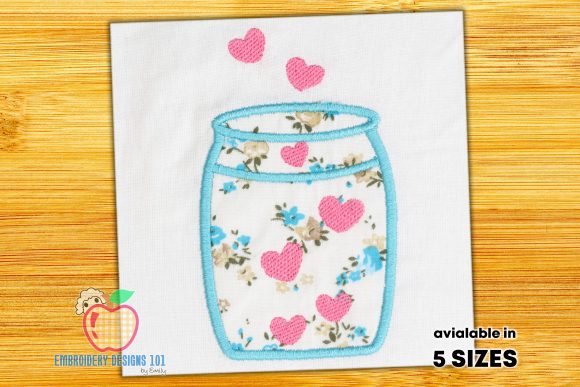
Reviewing Spread Love and Envision Applique
As a designer who has spent countless hours digitizing and stitching out machine embroidery design files, I have learned to look past the glossy thumbnail images. What matters most is how a design behaves under the needle, how it interacts with fabric texture, and whether it delivers the intended emotional impact in a finished product. Recently, I evaluated Spread Love and Envision Applique for a potential client project involving custom Valentine S Day merchandise. This review breaks down my practical observations, focusing on real-world application rather than theoretical appeal.
First Impressions and Design Intent
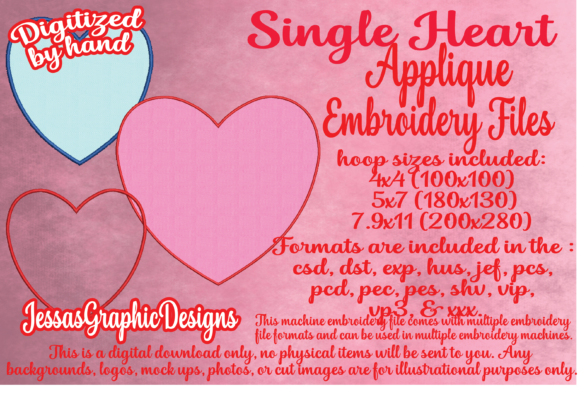
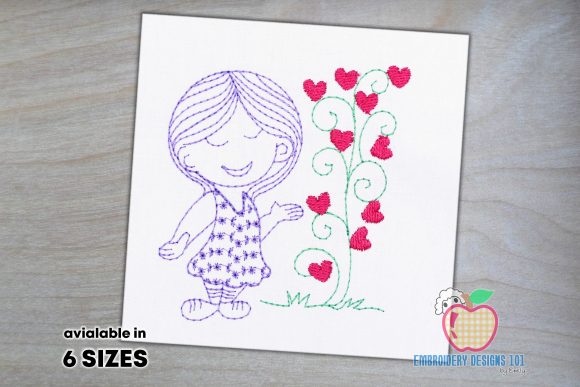
The first thing that struck me about Spread Love and Envision Applique was its intentional use of negative space. The description notes that these are not 100 percent filled, allowing the fabric to show through the stitches. For an inexperienced eye, this might look like an error, but for a seasoned embroiderer, this is a sophisticated design choice. It creates a breathable, lightweight aesthetic that prevents the dreaded "cardboard effect" often seen in dense applique design work.
The mood is soft, romantic, and inviting. It does not shout; it whispers. This makes it ideal for projects where subtlety is valued over boldness. The layout balances text and graphical elements in a way that feels organic rather than rigid. When I visualized this on a neutral linen tote bag, the exposed fabric background blended seamlessly with the material, creating a cohesive look that felt high-end and curated.
Real-World Application: The Tote Bag Test
To truly understand the viability of this embroidery file, I imagined applying it to a canvas tote bag, a staple item for any Etsy seller or craft business owner. Canvas has a distinct weave, and dense stitching can sometimes pucker the material or make the bag stiff. Because Spread Love and Envision Applique utilizes open stitching, it respects the natural drape of the canvas.
In this scenario, the design acts as a focal point without overwhelming the utility of the bag. A customer purchasing this as a personalized gift would appreciate the tactile quality. The visible fabric through the stitches adds depth, making the finished product look like a boutique item rather than mass-produced merchandise. This approach enhances perceived value, which is crucial for small shop owners trying to justify premium pricing.
Versatility Across Product Lines
Beyond tote bags, this design shows promise in several other categories. For sweatshirt embroidery, the open fill prevents the garment from becoming heavy or restrictive around the chest area. On baby items, such as onesies or burp cloths, the reduced stitch count means less irritation against sensitive skin, a significant selling point for parents. However, when considering embroidered patch production, one must be cautious. Patches often require denser stitching to hold their shape when cut out. If used for patches, a sturdy backing and careful edge finishing would be mandatory.
For holiday embroidery projects, particularly those centered around love and connection, this design fits naturally. It avoids cliché hearts-and-arrows imagery in favor of a more modern, typographic, and illustrative approach. This versatility allows digital embroidery file sellers to market it across multiple seasons, not just February.
Technical Considerations and Fabric Choice
While the aesthetic is strong, technical execution requires attention. The open nature of the design means that fabric color plays a massive role in the final appearance. On light-colored fabrics, the design will appear delicate and airy. On dark fabrics, the contrast will be stark, and the underlying fabric color will dominate the visual field. I strongly advise testing thread color contrast on scrap fabric before committing to a final piece.
Fabric texture is another critical variable. Smooth cottons and linens will showcase the precision of the satin stitch borders and the intentional gaps. However, on textured fabrics like terry cloth or heavy wool, the fine details might get lost. In such cases, increasing the scale of the design or choosing a simpler background fabric would be wise.
Stabilizer selection is non-negotiable. Even with lower stitch density, proper support ensures the design remains crisp. For stretchy fabrics like jersey knits used in custom apparel, a cut-away stabilizer is recommended to prevent distortion over time. For woven fabrics like tea towels or pillow covers, a tear-away stabilizer may suffice, provided the hoop tension is adjusted correctly.
Challenges with Small Hoop Sizes and Curves
If you plan to use this design on curved surfaces like caps or hats, proceed with caution. The structural integrity of an open design on a curved, stretched surface can be tricky. The fabric showing through might reveal the underlying cap material in an unintended way if the colors clash. Additionally, small hoop sizes may crop essential elements of the layout. Always confirm the hoop size requirements and check the design boundaries in your embroidery software before loading it onto the machine.
Tiny lettering or intricate corners in applique work can sometimes cause thread bunching if the machine speed is too high. Slowing down the machine during the stitching of detailed areas can improve clarity. It is also prudent to inspect the design in black and white mockups to ensure the contrast holds up without relying on color differentiation.
Commercial Value and Brand Consistency
For commercial embroidery professionals and small business product creators, consistency is key. Spread Love and Envision Applique offers a distinct visual personality that can help build brand recognition. Using this style across a line of products—such as matching aprons, kitchen towels, and nursery decor—creates a cohesive collection. This consistency builds customer trust and encourages repeat purchases.
Moreover, the design’s modern aesthetic appeals to a demographic that values handmade authenticity. It does not look like a generic clipart conversion. This level of sophistication enhances the handmade product presentation, making it more shareable on social media platforms. High-quality printable mockup images featuring this design can significantly boost engagement for online listings.
Final Designer Notes
Before integrating Spread Love and Envision Applique into your workflow, consider these practical steps:
- Always test the design on scrap fabric identical to your final material.
- Verify the license terms to ensure compliance for both personal and commercial projects.
- Check for specific file formats compatible with your machine, as these are not detailed in the basic description.
- Experiment with thread weights; a slightly thicker thread might fill the open spaces more effectively on certain fabrics.
- Ensure your needle is sharp and appropriate for the fabric type to prevent snags in the exposed areas.
In conclusion, this design is a thoughtful addition to any design assets library. It rewards careful preparation and offers a refined look that elevates simple garments into cherished keepsakes. By understanding its unique characteristics and respecting its technical needs, you can leverage Spread Love and Envision Applique to create stunning, professional-quality embroidery projects.