Review: Simple Flower Mandala for Branded Merch
As an embroidery designer who has spent years digitizing and testing files for small business applications, I approach every new machine embroidery design with a critical eye. It is not enough for a pattern to look pretty on a screen; it must perform under the needle, withstand wear and tear, and elevate the brand it represents. Recently, I evaluated the Simple Flower Mandala, a design that promises versatility for both apparel and interior items. For boutique owners, Etsy sellers, and local businesses looking to upgrade their visual presence, this review breaks down how this specific asset functions in a commercial context.
First Impressions: Balancing Mystery and Elegance
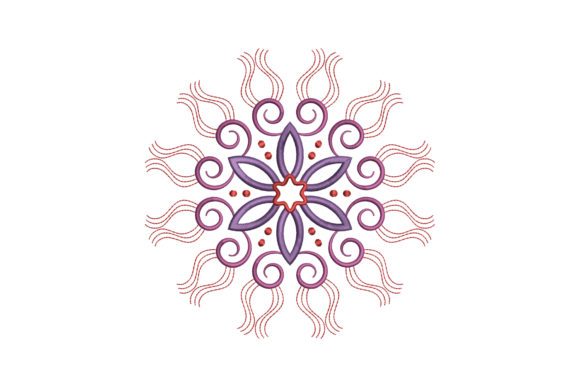
The immediate visual impact of the Simple Flower Mandala is striking due to its curated color palette. The description highlights the use of purple, lilac, and red tones. In design psychology, purple and lilac are often associated with mystery, space, luxury, and wealth. When applied to a brand identity, these colors do heavy lifting. They suggest a premium feel without being ostentatious. Unlike overly complex mandalas that can appear cluttered when scaled down, this "simple" iteration suggests a cleaner, more modern aesthetic. It feels decorative yet controlled, making it suitable for brands that want to convey elegance and creativity simultaneously.
For a handmade product line, such as a florist’s gift wrap or a boutique’s packaging, this design offers a sophisticated touch. It does not scream for attention but rather invites closer inspection, which is ideal for building customer trust and perceived value.
Real-World Application for Small Business Merch
The true test of any digital embroidery file is its adaptability across various substrates. Here is how the Simple Flower Mandala performs in common small business scenarios:
- Embroidered Patches: This is perhaps the strongest use case. A patch allows for maximum control over backing and stabilizer. The mandala shape works beautifully as a circular or square patch, which can be ironed or sewn onto denim jackets, canvas totes, or laptop bags. The distinct purple and red threads create high contrast against neutral fabrics like beige, black, or white.
- Apron Embroidery: For bakeries, cafes, or craft studios, branded aprons are walking advertisements. Placing this mandala on the chest pocket or the lower corner of an apron adds a professional finish. The floral motif aligns naturally with industries focused on growth, nature, and care.
- Tote Bag Design: Canvas tote bags are staples for retail shops. The Simple Flower Mandala serves as an excellent central graphic. Because the design is described as "simple," it likely avoids excessive stitch density, which prevents the fabric from puckering—a common issue with heavy designs on lightweight canvas.
- Cap Embroidery: Using this on headwear requires caution. The curved surface of a cap front panel distorts wide designs. However, if the mandala is compact, it can work as a side-panel accent or a small front-center logo, provided the digitizing accounts for the curve.
Navigating Technical Constraints and Fabric Choices
While the aesthetic appeal is high, practical execution requires attention to detail. As a designer, I advise checking several technical aspects before running a full production batch. The success of the finished product depends heavily on the interaction between the thread colors and the fabric texture.
Stitch Density and Fabric Texture: Mandala designs can sometimes suffer from high stitch density if not digitized correctly. If the stitches are too close together, they can perforate delicate fabrics or cause stiffening. For items like silk scarves or lightweight shirts, this design should be tested on a scrap piece first. On textured fabrics like terrycloth or fleece, the fine details of the mandala might get lost. In such cases, increasing the satin stitch width or simplifying the inner details during the digitizing phase (if editable) is crucial.
Color Contrast on Dark Uniforms: The specified purple, lilac, and red colors are vibrant, but they may lack visibility on dark navy or black uniforms. If you are creating staff apparel for a dimly lit venue or a brand with dark aesthetics, consider requesting a version with lighter accents or using a white underlay to make the colors pop. Always create a printable mockup to visualize this contrast before stitching.
Hoop Size and Placement: Since the exact hoop size is not specified in the basic description, you must verify this with the file provider. A design intended for a 4x4 inch hoop will not fit a 5x7 inch frame without resizing, which can alter stitch density. Ensure the hoop size matches your machine’s capabilities and the intended placement on the garment.
Enhancing Brand Identity and Customer Engagement
In the world of commercial embroidery, consistency is key. The Simple Flower Mandala can become a recognizable symbol for your brand if used consistently across different touchpoints. Imagine a local spa using this design on their robes, towels, and retail packaging. The recurring motif reinforces brand recognition. Customers begin to associate the intricate, luxurious feel of the mandala with the quality of your service.
Furthermore, using high-quality design assets like this elevates the perceived value of your products. A plain t-shirt becomes a collector’s item when adorned with a well-executed embroidered mandala. This transformation allows small businesses to command higher price points. It signals to the buyer that time, skill, and attention to detail went into the creation of the item, fostering deeper engagement and loyalty.
Practical Designer Notes for Production
Before you commit to purchasing or producing this design for your small business merch, follow these essential steps to ensure professional results:
- Test in Black and White: Before using the colorful threads, stitch out the design in black thread on white fabric. This reveals the structural integrity of the digitizing. You can see if the shapes are clear and if there are any unwanted jumps or trims.
- Check Scalability: Determine the minimum size at which the design remains legible. If you plan to use it as a small chest logo, ensure the inner details of the mandala do not merge into a solid blob.
- Select the Right Stabilizer: For stretchy fabrics like jersey tees, use a cut-away stabilizer to prevent distortion. For woven fabrics like cotton twill or canvas, a tear-away stabilizer is usually sufficient. The wrong stabilizer can ruin the crispness of the mandala’s edges.
- Verify Commercial Licensing: Always confirm the license terms of the embroidery file. Ensure that you have the right to use the design on items for sale. Some designers require an extended license for commercial use, while others include it in the standard purchase.
- Compare with Other Assets: Place the Simple Flower Mandala next to your existing logo and font choices. Does it complement your current visual language? If your brand is ultra-modern and minimalist, a detailed mandala might clash. If your brand is bohemian, organic, or luxury-focused, it will likely be a perfect fit.
In conclusion, the Simple Flower Mandala offers a compelling blend of symbolic depth and visual appeal. For businesses in the wellness, creative, or luxury sectors, it provides a versatile tool for enhancing custom apparel and accessories. By paying attention to technical details like stabilizer choice, fabric compatibility, and color contrast, you can leverage this design to create high-value merchandise that resonates with your customers. Always prioritize testing and quality control to ensure that every stitched item reflects the professionalism of your brand.