Pineapple with Bow Tie Applique Design Review
As an embroidery designer who has spent years digitizing and testing files for small business merchandise, I approach every new machine embroidery design with a critical eye. It is not enough for a motif to be cute; it must be functional, scalable, and capable of carrying a brand’s identity across various textiles. Recently, I evaluated the Pineapple with Bow Tie Applique Design to determine its viability for commercial use. This review focuses on how this specific asset performs in real-world applications for boutique owners, apparel decorators, and handmade brands looking to elevate their product lines.
First Impressions: Visual Personality and Brand Fit
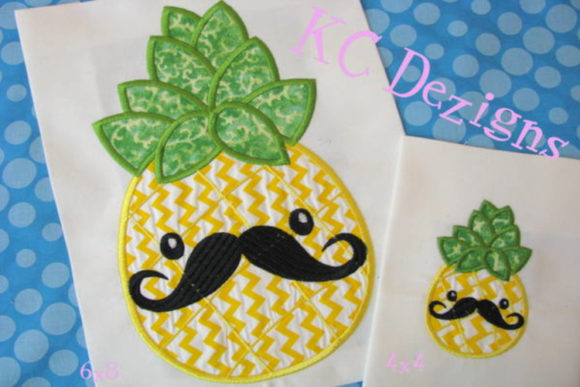
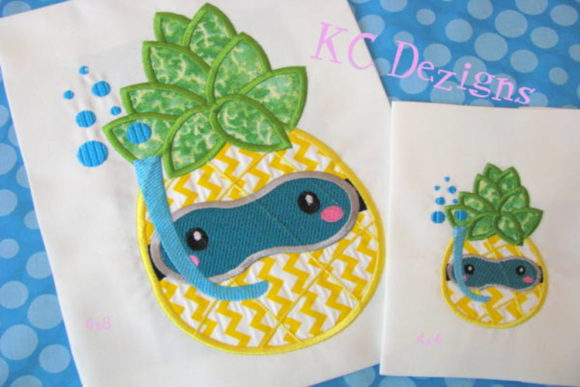
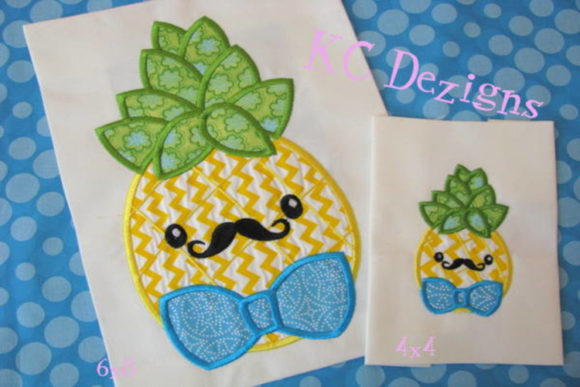
The immediate impression of the Pineapple with Bow Tie Applique Design is one of playful sophistication. The combination of a tropical fruit with a formal accessory like a bow tie creates a whimsical contrast that feels both friendly and curated. For businesses in the hospitality or lifestyle sectors, such as cafés, bakeries, or florists, this aesthetic strikes a balance between approachable and professional. It does not scream "cheap souvenir"; rather, it suggests a thoughtful, handmade touch.
While the product category is listed under Boys, limiting a design to a single demographic is a missed opportunity in modern merchandising. This motif transcends age and gender. Its charm lies in its versatility. Whether used for a children’s clothing line or as a quirky accent on adult staff uniforms, the design maintains its integrity. The applique technique inherently adds texture and dimension, which elevates the perceived value of the finished product. For brands aiming to project a rustic yet polished image, this design serves as an excellent visual anchor.
Performance in Real Business Applications
The true test of any digital embroidery file is its performance across different substrates. I analyzed how this pineapple motif functions in several key commercial scenarios:
- Embroidered Patches: This is perhaps the strongest application. The bold outlines typical of applique designs hold up well when stitched onto twill or felt backings. A patch allows for maximum flexibility, letting customers apply the design to jackets, bags, or hats after purchase. It turns a simple item into a customizable handmade product.
- Staff Uniforms and Aprons: For boutique cafes or creative studios, branding is essential. Stitching this design on the chest pocket of a denim apron embroidery project creates a cohesive team look. The bow tie element adds a touch of service-oriented professionalism, while the pineapple keeps the vibe relaxed and welcoming.
- Cap Embroidery: Placing this design on the front panel of a baseball cap requires careful sizing. Because of the applique nature, it sits flat against the curved surface, reducing bulk. However, the width of the pineapple must be adjusted to fit standard cap hoops without distorting the shape.
- Tote Bag Design: Canvas totes are staples for retail giveaways. The high contrast of the pineapple against natural canvas fabric ensures visibility. It acts as a walking advertisement for your brand, especially if paired with a subtle text logo underneath.
In each of these cases, the design contributes to a stronger brand identity. It moves beyond mere decoration to become a recognizable symbol of the business’s personality. When customers see consistent use of such distinctive design assets, it builds trust and recognition.
Technical Considerations and Potential Pitfalls
While the aesthetic appeal is high, there are technical constraints that every embroiderer must address before running a production batch. The description notes that this machine embroidery design comes with instructions for items like cushion covers and tea towels, but commercial use often demands more rigorous testing.
Stitch Density and Fabric Texture: Applique designs rely on a satin stitch border to secure the fabric patch. If the stitch density is too high, it can cause puckering, especially on lightweight fabrics like t-shirts or linen tea towels. Conversely, on heavy textures like terrycloth or thick canvas, the border must be wide enough to fully cover the raw edges of the applique fabric. I recommend testing on scrap pieces of your actual inventory fabric to check for registration issues.
Small Patch Sizes: Scaling down this design for tiny labels or chest logos on children’s wear requires caution. The details of the bow tie and the pineapple leaves may merge if reduced too much. Always verify the minimum viable size. If the intricate parts become indistinguishable blobs of thread, the design loses its charm and professional appearance.
Dark Uniforms and Thread Colors: The default colorway likely assumes a light background. When stitching on dark navy or black uniforms, you must adjust the thread colors for sufficient contrast. A bright yellow pineapple pops on white, but on black, you might need a neon thread or a contrasting backing fabric to ensure the design remains visible. Never assume the default palette works for all garments.
Enhancing Brand Value and Customer Engagement
Using a distinctive motif like the Pineapple with Bow Tie Applique Design directly impacts customer perception. In the era of online shopping, visual consistency is key. When a customer receives a package with a branded tote bag or a thank-you note attached to a custom apron featuring this design, it reinforces the quality of the small business merch. It signals that attention to detail was paid not just to the product, but to the presentation.
Furthermore, this design lends itself well to creating printable mockup materials for social media marketing. Before committing to large-scale commercial embroidery runs, you can digitally place the design on various products to gauge customer interest. This reduces waste and allows for agile marketing strategies. For Etsy sellers, offering this design on multiple items—such as pillowcases, baby bibs, or kitchen linens—creates a cohesive shop aesthetic that encourages bundle purchases.
Practical Designer Notes for Production
To ensure success with this file, follow these practical steps before launching your campaign:
- Test in Black and White: Convert your digital preview to grayscale. If the design loses its definition without color, the contrast between the applique and the border is insufficient. Adjust thread weights or colors accordingly.
- Confirm Hoop Size: The product description mentions various items, but does not specify the exact hoop size requirements. Check the file metadata to ensure it fits your machine’s largest hoop if you plan to scale it up for cushion covers, or your smallest hoop for patches.
- Use Proper Stabilizer: Applique requires stable backing to prevent shifting during the tack-down stitch. Use a cut-away stabilizer for stretchy fabrics like t-shirt knits and a tear-away for woven cottons like placemats.
- Check Commercial Licensing: Before using this embroidery file for profit, confirm the license terms. Ensure you have the right to sell physical goods made with the design. Some creators require attribution or have limits on production volume.
- Create Client Mockups: If you are doing custom work for a client, stitch a sample on their chosen fabric. Photograph it professionally. This tangible proof helps secure approval and manages expectations regarding texture and size.
In conclusion, the Pineapple with Bow Tie Applique Design is a versatile asset for the modern embroiderer. It bridges the gap between playful creativity and professional branding. By understanding its technical requirements and leveraging its visual appeal across patches, apparel, and accessories, small business owners can create memorable, high-value merchandise. Always prioritize testing and quality control to ensure that every stitch reflects the professionalism of your brand. Whether you are decorating custom apparel or creating unique home goods, this design offers a charming pathway to standout brand identity.