Easter Egg & Cake Redwork: A Designer’s Review
As an embroidery designer who has spent years digitizing for small businesses, I approach every new machine embroidery design with a critical eye. It is not just about whether the art looks cute on a screen; it is about how that art translates into a tangible asset for a brand. Today, I am reviewing the Easter Decorated Egg and Cake Redwork. This piece is positioned within the Easter category, but its utility extends far beyond seasonal decoration. For boutique owners, bakery operators, and handmade merchandise creators, this design offers a unique blend of whimsy and structural simplicity that can elevate small business merch if applied correctly.
First Impressions: Visual Personality and Brand Fit
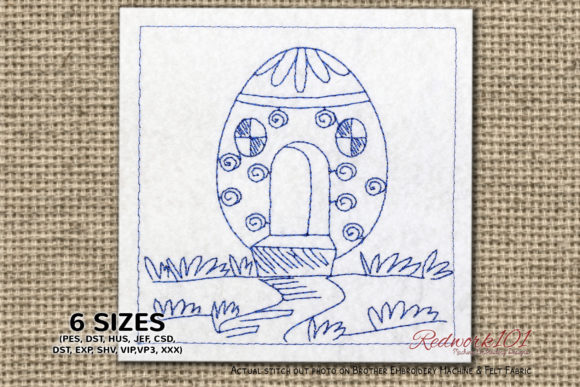
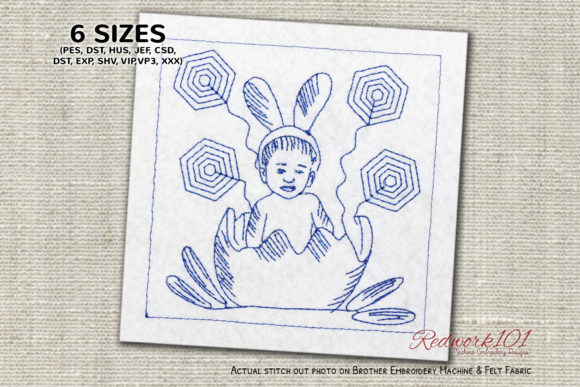
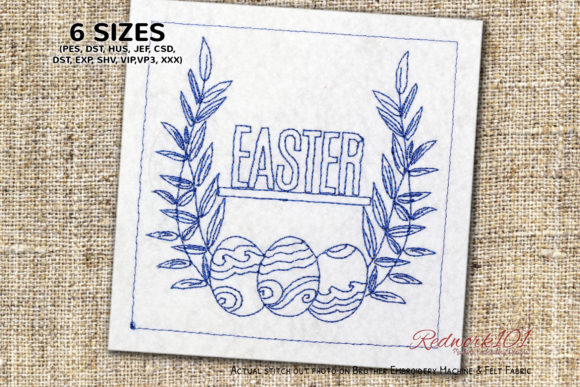
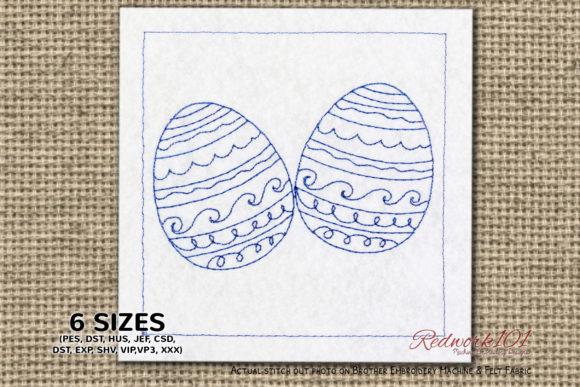
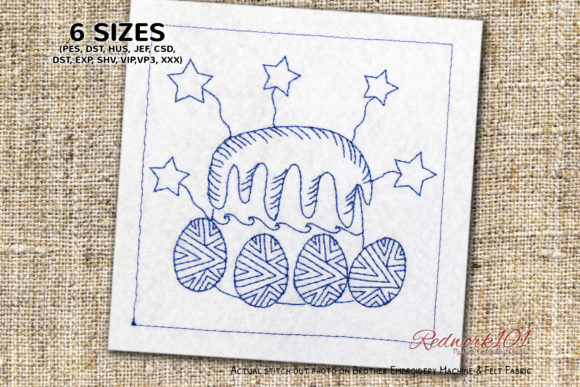
The immediate impression of the Easter Decorated Egg and Cake Redwork is one of approachable charm. The term "Redwork" traditionally refers to single-color embroidery, often using red thread on white fabric, which creates a high-contrast, classic aesthetic. However, the product description notes this as "Bluework," suggesting versatility in thread choice. This flexibility is crucial for brand identity. A design that relies on outline and shape rather than complex shading or fill stitches tends to read as more modern and clean.
For a local café or a family-owned bakery, this design feels friendly and rustic. It does not scream "corporate"; instead, it whispers "handmade." This is a vital distinction for Etsy sellers and crafters who rely on the perception of artisanal quality. The combination of a decorated egg and a cake suggests celebration, sweetness, and spring renewal. It is playful without being childish, making it suitable for a wide demographic, from young families to adults seeking nostalgic seasonal items.
Real-World Application for Small Business Merchandise
When evaluating a digital embroidery file for commercial use, I always ask: where does this live on a product? The Easter Decorated Egg and Cake Redwork shines in specific applications due to its linear nature.
- Embroidered Patches: This is perhaps the strongest use case. Because redwork styles often feature open spaces and clear outlines, they translate beautifully to patches. You can create a woven or embroidered patch that serves as a collectible item or a branded add-on for jackets and bags.
- Apron Embroidery: For bakeries and florists, staff uniforms are walking billboards. Placing this design on the chest pocket or the lower corner of an apron adds a touch of personality. The simplicity ensures it does not look cluttered against the fabric texture of canvas or cotton twill.
- Tote Bag Design: Canvas tote bags are a staple for boutique retail. A single-color embroidery of this egg and cake motif creates a sophisticated, minimalist look that appeals to eco-conscious shoppers.
- Cap Embroidery: While curved surfaces are tricky, the compact nature of this design allows it to sit well on the front panel of a dad hat or baseball cap, provided the scale is adjusted correctly.
Using this design as a chest logo accent on work shirts or as a sleeve detail can also break up the monotony of plain uniforms. It acts as a subtle nod to the season, enhancing customer engagement without overwhelming the professional appearance of the staff.
Technical Considerations and Production Challenges
While the aesthetic is appealing, the technical execution requires attention. The product description mentions that "The Box Stitch shown in the picture is optional" and that "The color of the outer box is a different color in most of the designs unless it is part of the design." This is a critical detail for production consistency. If you are producing a batch of fifty aprons, you must decide whether the box is included. If it is optional, ensure your digitizer or the file settings are standardized so every unit looks identical. Inconsistent branding erodes customer trust.
Furthermore, redwork and bluework styles rely heavily on line weight. When scaling this design down for small patches or left-chest logos, you must check the stitch density. If the lines are too close together, they may merge during washing, creating a blob rather than a distinct image. Conversely, if the design is scaled up too large for a tote bag, the gaps between stitches might become visible, revealing the fabric underneath in an unintended way.
I recommend testing the design on the actual fabric you intend to use. Fabric texture plays a massive role in how redwork appears. On smooth broadcloth, the lines will be crisp. On textured linen or terry cloth, the outlines may soften. Always use the proper stabilizer—likely a cut-away for garments that will be washed frequently—to prevent puckering. Puckering around linear designs is a common amateur mistake that lowers the perceived value of the finished product.
Enhancing Brand Identity and Product Value
How does the Easter Decorated Egg and Cake Redwork affect your bottom line? It adds perceived value through customization. A plain tote bag sells for a certain price; a tote bag with a unique, seasonal embroidery design sells for more. It transforms a commodity into a handmade product with character.
For brands focusing on Easter or spring collections, this design aids in visual consistency. If your brand colors include pastels or primary tones, you can adapt the thread colors to match your palette exactly. This reinforces brand recognition. When customers see this specific egg and cake motif, they associate it with your shop’s quality and seasonal offerings. It becomes a recognizable asset, much like a logo.
Moreover, using such designs in commercial embroidery projects allows for versatile marketing. You can create limited-edition items that drive urgency. "Get your Easter Apron before stocks run out" is a more compelling call to action than simply selling generic apparel. The design serves as a hook for social media content, allowing you to create engaging printable mockup campaigns or behind-the-scenes videos of the embroidery process.
Designer Notes for Best Results
Before you load this embroidery file into your machine for a large production run, follow these practical steps to ensure professionalism:
- Test in Black and White: Before committing to colored threads, stitch out the design in black thread on white fabric. This reveals the true clarity of the lines and highlights any spacing issues without the distraction of color.
- Verify Hoop Size: The product description does not specify exact dimensions. Check the file details to confirm the hoop size required. Ensure your machine can accommodate the largest version if you plan to offer multiple sizes.
- Check Commercial Licensing: Always confirm the license terms. Ensure you have the right to use the design on physical goods for sale. Most reputable designers provide this, but it is your responsibility to verify.
- Create Client Mockups: If you are doing this for a client, create a digital printable mockup showing the design on their specific garment. This manages expectations and reduces revision requests.
- Inspect Thread Color Contrast: Since this is a line-art style design, contrast is key. Ensure the thread color stands out against the fabric. Dark threads on dark fabrics will disappear, ruining the effect.
In conclusion, the Easter Decorated Egg and Cake Redwork is a versatile asset for the thoughtful entrepreneur. It bridges the gap between festive seasonal decor and professional brand embellishment. By paying attention to technical details like stabilizer choice, stitch density, and consistent application, you can leverage this design to create high-quality custom apparel and accessories that resonate with your audience. It is not just an image; it is a tool for building a cohesive, attractive, and profitable brand presence.