Bird House Lineart Design: A Crafter’s Review
As an embroidery designer who has spent countless weekends behind a craft fair table, I have learned that not all designs are created equal. Some look stunning on a screen but disappear on fabric. Others are so dense they pucker the material before you even finish the first bobbin change. When I first pulled up the Bird House Lineart Design, my immediate thought was about versatility. In the world of handmade markets, versatility is currency. This design, categorized under Birds and intended for Embroidery applications, promises to be great to stitch on any material. That is a bold claim, but one that holds significant weight for those of us looking to maximize our production efficiency.
First Impressions: Minimalism Meets Charm
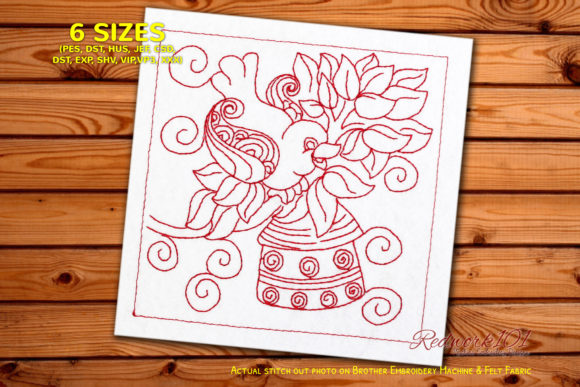
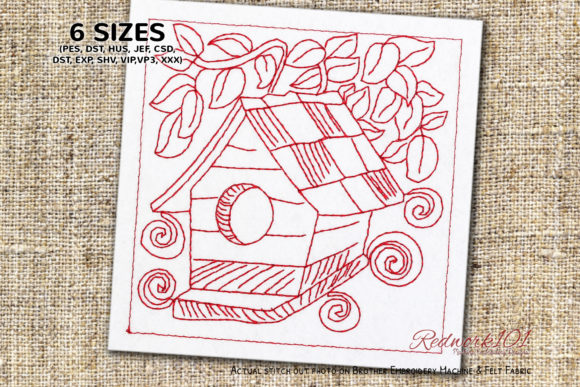
The first thing that strikes me about this machine embroidery design is its clean aesthetic. It does not rely on heavy shading or complex color gradients to make an impact. Instead, it utilizes line art, which gives it a modern, rustic, and slightly farmhouse feel. For the contemporary Etsy seller or boutique maker, this is gold. Trends have shifted away from overly busy, saturated motifs toward simpler, elegant graphics that allow the texture of the fabric to shine through.
The description notes that the design is easy to stitch and perfect for every bird-lover. From a visual standpoint, this suggests a universal appeal. It is not niche enough to alienate buyers, yet specific enough to attract a dedicated audience. The optional Box Stitch mentioned in the product details adds a layer of customization. This means you can offer two distinct looks from a single digital embroidery file: a floating, organic birdhouse or a framed, structured emblem. This flexibility is crucial when you are trying to appeal to different customer tastes at a single booth.
Product Potential: Where This Design Shines
When planning my inventory for a weekend craft fair, I always categorize items by price point and production time. The Bird House Lineart Design fits seamlessly into several high-margin categories. Here is how I envision it performing on various handmade products:
- Tote Bags and Market Bags: This is arguably the best application. A linen or canvas tote provides a large, flat surface where the line art can breathe. The simplicity of the design ensures it remains legible even from a distance, catching the eye of passersby. As a tote bag design, it appeals to eco-conscious shoppers who appreciate subtle, nature-inspired art.
- Tea Towels and Aprons: Kitchen textiles are staple craft fair products. For tea towel embroidery, the line art style prevents the towel from becoming stiff or bulky. An apron embroidery placement on the bib or pocket adds a charming, professional touch that elevates a basic cotton apron into a giftable item.
- Embroidered Patches: Patches are impulse buys. Because this design is outlined, it stitches out quickly. You can produce a batch of iron-on or sew-on patches with minimal thread waste. These can be displayed in a jar near the register to increase average order value.
- Caps and Hats: Curved surfaces are tricky. However, because this is line art, it avoids the density issues that often cause puckering on caps. It works well as a small accent on the front panel or a larger statement piece on a trucker hat mesh.
Production Practicality and Batch Efficiency
For any small shop product line, time is money. The fact that this design is described as "easy to stitch" suggests a lower stitch count and fewer jumps. This translates to faster machine run times. When you are preparing for a market, being able to hoop, stitch, and trim twenty units in the time it takes to do five complex designs is a massive advantage.
Furthermore, the design’s clarity makes it ideal for commercial embroidery operations. Whether you are using a single-needle home machine or a multi-needle commercial setup, the pathing should be straightforward. The optional box frame allows for easy alignment. If you choose to use the box, it acts as a built-in guide for centering the design on symmetrical items like pillow covers or shirt fronts.
Photography is another critical factor. In online listings, simple line art photographs beautifully. It does not create harsh shadows or glare, which can happen with satin-heavy designs. This makes creating a printable mockup or styling real-life photos for your design assets much easier. The contrast between the thread and the fabric will be sharp, ensuring your product images look crisp and professional.
Careful-Use Notes and Technical Considerations
While the design is versatile, an experienced eye knows there are always caveats. Here are some practical considerations to keep in mind before you start mass production:
- Fabric Texture: On highly textured towels or rough burlap, very fine lines can get lost. Ensure your thread color contrasts sufficiently with the fabric. A dark thread on a light towel works best. If stitching on dark fabric, consider using a lighter thread or adding a slight satin fill to the lines if the software allows, though pure line art is preferred for the aesthetic.
- Stitch Density: Even though it is line art, check the stitch density settings. If the lines are too close together, they may merge on thinner fabrics. Always test on scrap fabric first. This is non-negotiable. What looks good on the screen may behave differently on cotton versus polyester.
- Hooping and Stabilizer: For smaller items like pouches or caps, proper hooping is essential. Use a cut-away stabilizer for stretchy fabrics like t-shirts or caps to prevent distortion. For woven fabrics like tea towels, a tear-away stabilizer is usually sufficient, but ensure the fabric is taut to prevent puckering around the outline.
- Size Scalability: Line art can lose clarity if scaled down too far. If you plan to use this as a tiny accent on a collar or cuff, verify that the smallest details remain visible. Conversely, if scaling up for a large pillow cover, ensure the lines do not appear too thin or sparse.
Enhancing Brand Consistency and Visual Appeal
Incorporating the Bird House Lineart Design into your product line can strengthen your brand identity. If your brand focuses on nature, home, or simplicity, this design reinforces that message. It feels curated and intentional. When customers see a cohesive look across your tote bags, aprons, and patches, it builds trust. They perceive your finished product as part of a thoughtful collection rather than random items.
Moreover, the "bird-lover" angle taps into an emotional connection. People buy handmade items for the story and the feeling they evoke. A birdhouse symbolizes home, shelter, and nature. By placing this design on everyday items, you are selling a feeling of coziness and connection to the outdoors. This emotional resonance drives buyer engagement and can justify a higher price point compared to generic designs.
Final Verdict for the Craft Fair Seller
Before you commit to a full production run, remember to check the specific details of the embroidery file. The product description mentions that the color of the outer box is different, implying customizable elements. Confirm the available hoop size options and ensure you have the correct file format for your machine. Also, double-check the commercial licensing terms. Most digital designers allow commercial use for finished physical goods, but it is vital to confirm this to protect your business.
Create at least one real mockup. Stitch it on the exact fabric you intend to sell. Wash it. Iron it. See how it holds up. If it survives the wash cycle without distortion, you have a winner. The Bird House Lineart Design has the potential to be a staple in your inventory. It is simple, elegant, and highly adaptable. For the creative entrepreneur looking to streamline production while maintaining high aesthetic standards, this design is a smart addition to your library. It bridges the gap between quick production and premium look, which is exactly what successful craft fair vendors need to thrive.